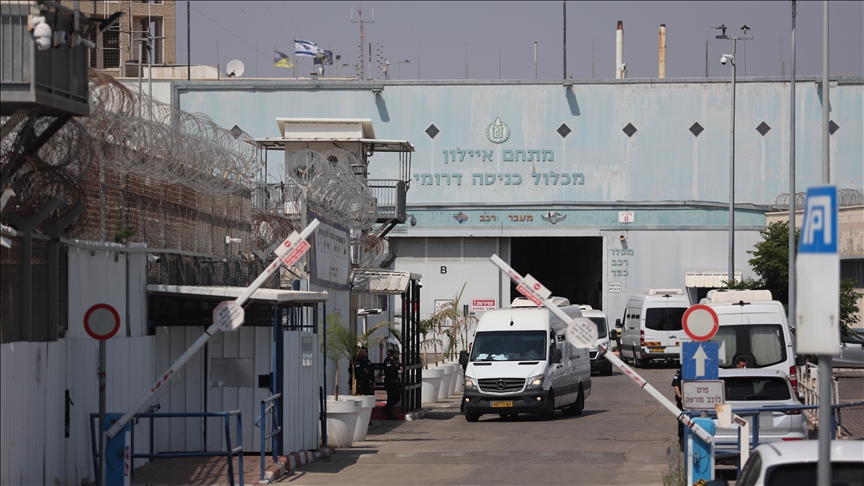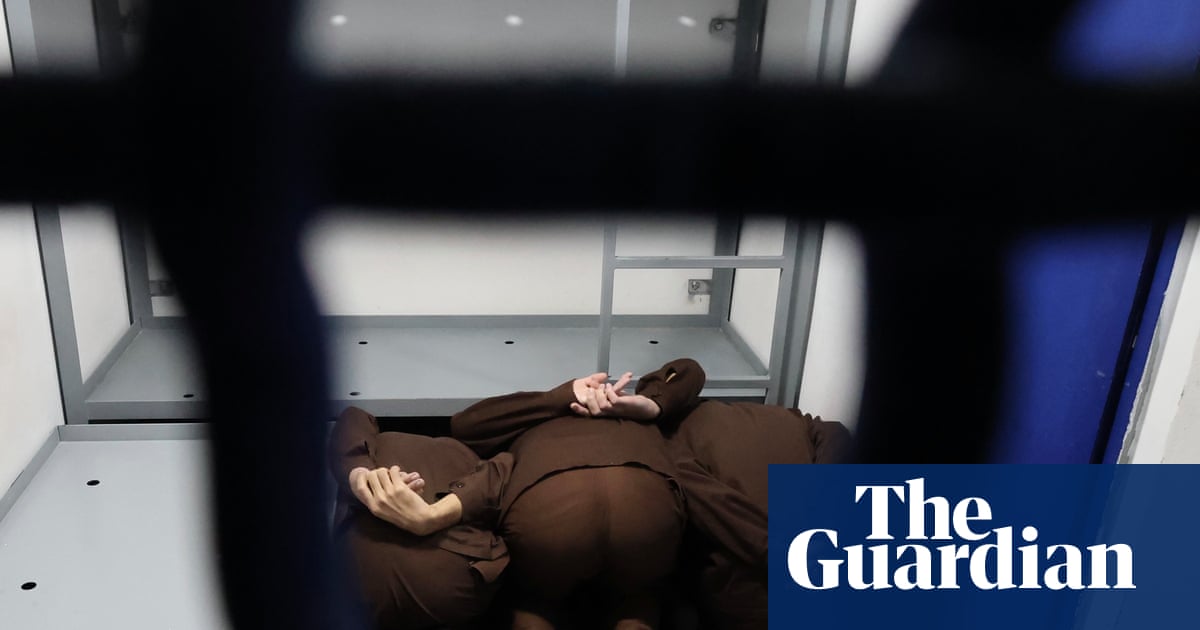
A plaque at the entrance to Robben Island highlights a quote from its most famous inmate, prisoner 46664.
“It is said that no one truly knows a nation until one has been inside its jails. A nation should not be judged by how it treats its highest citizens, but its lowest ones.”
Nelson Mandela’s words ring like a death knell over the state of Israel today.
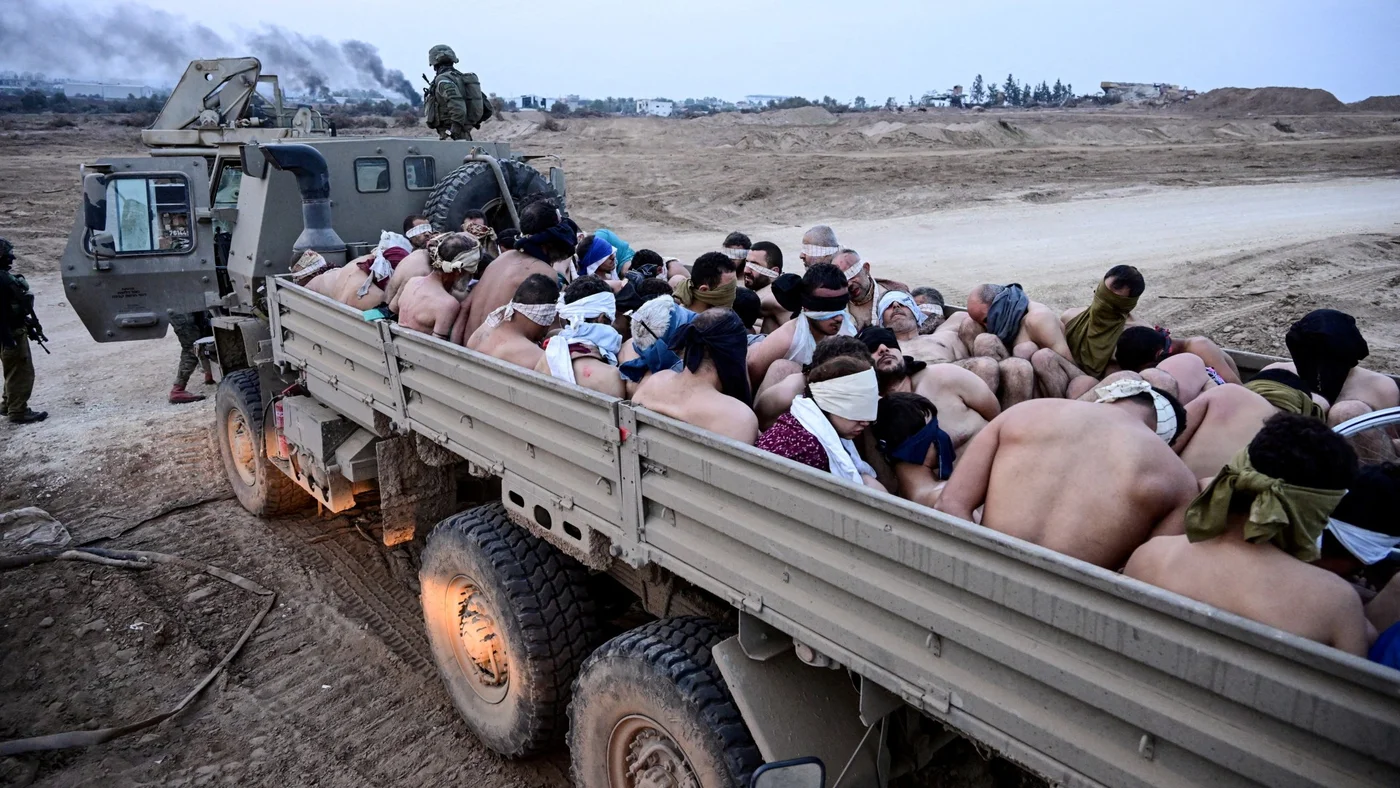
The bodies of 345 Palestinians who “disappeared” when Israel invaded Gaza two years ago have now been returned to Nasser Hospital in Khan Younis. They are so disfigured that only 99 of them have been identified so far.
Maha Hussaini, who has reported for Middle East Eye from Gaza throughout the war, detailed the anguished identification process undertaken by relatives and forensic doctors, who don’t have the equipment needed to find out how these victims died.
When Muhammad Ayesh Ramadan identified the remains of his brother Ahmed, who went missing on the first day of the war, he found that the body was burned, with six or seven bullet holes, and a vertical incision running from his chest downward. One of his brother’s toes had also been cut off.
Fingers and toes are routinely amputated by Israeli doctors to establish DNA, according to Palestinian doctors. Although they lack the necessary tools to confirm whether any of Ahmed’s organs were missing, the marks found on his body strongly suggest that it was used as an organ bank.
Other bodies showed clear signs of torture. Zeinab Ismail Shabat, from Beit Hanoun in the northern Gaza Strip, found that her 34-year-old missing brother, Mahmoud, had his index finger severed, while his hands were tied behind his back, and the marks of metal restraints left dents in his feet. His face appeared to have been struck so violently that his skull was fractured, and his neck bore marks of hanging.
Read HERE the full article by The Middle East Eye